Top Benefits of Early Childhood Education Before School
The foundation of every successful learning journey begins long before a child enters formal schooling. Early childhood education plays a crucial role in shaping the minds, behaviors, and skills of young learners, preparing them for both academic and life success. Before a child steps into a traditional classroom, the experiences they have in their early years can significantly influence their cognitive, emotional, and social development.
Understanding the benefits of quality early learning allows parents, educators, and caregivers to make informed choices that nurture a child’s natural curiosity and love for learning. This article explores why these formative years are so critical and how quality programs contribute to lifelong advantages.
At Kids Gardens Riyadh, we believe that the foundation for lifelong learning begins before a child enters formal school.
What is Early Childhood Education?
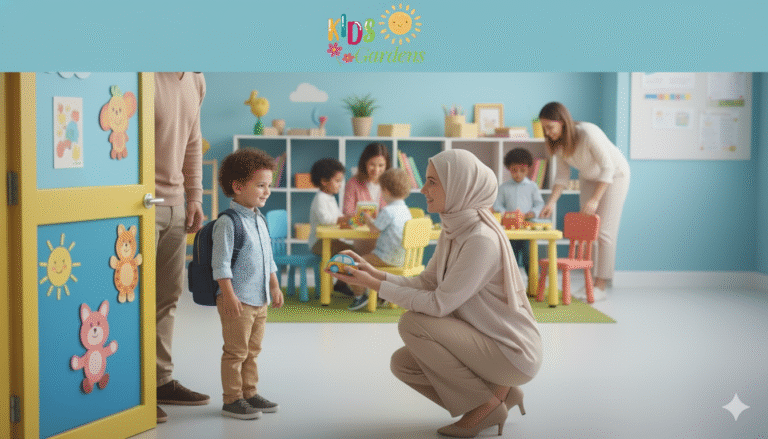
Early childhood education refers to structured programs and activities designed for young children before they reach the age for formal school enrollment. This includes preschools, daycare centers with educational components, and home-based learning environments that foster mental, emotional, and physical growth.
Unlike traditional schooling, such early learning programs focus on play-based learning, social interaction, emotional intelligence, and foundational literacy and numeracy in fun, engaging ways. It is a holistic approach that helps children become confident, self-aware, and ready for future academic challenges.
Why Early Childhood Education Matters
The early years of a child’s life are often referred to as the most critical development phase. During this time, the brain is at its most adaptable and responsive. Early learning experiences provide the structure and stimuli that shape how a child thinks, feels, and interacts with the world around them.
Cognitive Development Boost
Children exposed to high-quality early learning programs demonstrate advanced thinking, problem-solving, and memory skills. They are more likely to engage in independent thought and retain new information better than those without such experiences.
Emotional and Social Skills
Developing empathy, learning to cooperate, and understanding emotions are essential parts of growing up. Structured play and guided group activities within preschool environments encourage social interaction, teach conflict resolution, and help build emotional resilience.
Language and Communication Skills
Children in early childhood education programs are constantly exposed to rich vocabulary, storytelling, songs, and conversation. These interactions significantly enhance verbal abilities and listening skills, which are crucial for later academic success.
Encouragement of Curiosity and Exploration
When children are placed in nurturing and stimulating environments, they naturally explore, question, and experiment. A strong preschool program creates an atmosphere where curiosity is celebrated and learning is fun, which leads to a deep-seated love for knowledge.
The Long-Term Impact of Early Childhood Education
The influence of early learning programs goes far beyond the preschool years. Research has shown that children who participate in quality early learning programs tend to perform better in later grades, have higher self-esteem, and are more likely to pursue higher education or vocational training.
Academic Preparedness
A strong start leads to confident learners. Children who attend preschool classes often enter primary school with the ability to follow instructions, focus for extended periods, and understand basic literacy and numeracy concepts.
Reduced Behavioral Issues
Children who experience consistent routines and positive role models in their early years tend to display fewer behavioral problems later. Early childhood education teaches patience, discipline, and emotional control through guided play and structured schedules.
Improved Social Integration
Social skills learned early help children adapt to school environments where cooperation, teamwork, and respect are essential. They become more adaptable, respectful, and empathetic toward peers and authority figures.
Greater Independence
One of the core goals of early childhood education is to foster independence. Through self-led activities, children learn to make choices, solve problems, and take responsibility for their actions, laying the groundwork for confident decision-making in the future.
What Makes a High-Quality Early Childhood Education Program?
Not all early learning programs are created equal. The most impactful early learning environments share common features that contribute to a child’s positive development and long-term success.
Trained and Passionate Educators
Educators who understand child development, behavior management, and instructional strategies are essential to the success of any early learning environment. Their ability to connect with children, encourage participation, and adapt to individual needs makes a lasting difference.
Safe and Stimulating Environment
A clean, organized, and engaging space encourages children to explore and learn safely. The best preschools invest in age-appropriate learning materials, books, and creative resources that stimulate young minds.
Balanced Curriculum
A well-rounded program includes literacy, math, science, physical activity, arts, and emotional learning. Incorporating a variety of subjects ensures that children develop across all areas, not just academically but socially and emotionally too.
Family Engagement
Effective early childhood education programs actively involve families in the learning process. Regular communication, parent workshops, and collaborative activities between home and school strengthen the child’s support network.
Early Childhood Education Before School: A Smart Investment
Choosing to invest in early learning is one of the wisest decisions a parent or caregiver can make. The earlier children are given opportunities to learn in structured, nurturing environments, the more likely they are to thrive academically and emotionally in the future.
While the benefits to the child are immense, society also reaps the rewards. A generation of well-adjusted, educated, and emotionally intelligent individuals contributes to stronger communities, a better workforce, and reduced social issues.
For parents looking for the perfect tools and resources to support early childhood education, Kids Gardens Riyadh offers an exceptional range of educational toys, games, and materials. Designed specifically for early learners, each product is curated to align with developmental milestones and spark joyful learning experiences at home.
Supporting Early Childhood Education at Home
While formal programs are critical, learning doesn’t stop at school. There are many ways parents and guardians can foster early learning within the home environment.
Read Together Daily
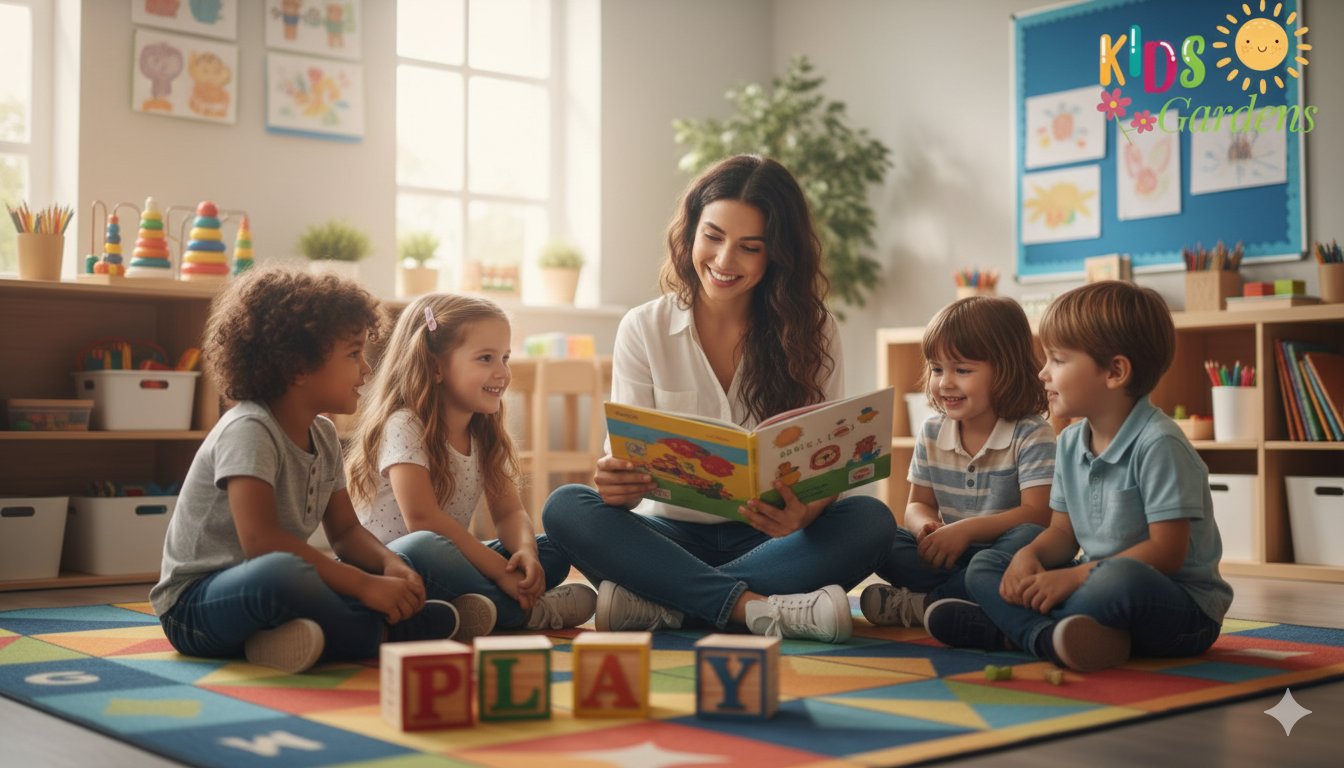
Reading aloud not only builds vocabulary and comprehension but also strengthens the bond between parent and child. Choose books with vibrant illustrations and simple, engaging stories.
Encourage Free Play
Imaginative play is a core component of early childhood education. Allow children the freedom to create, pretend, and explore using toys, art supplies, or even simple household items.
Introduce Simple Routines
Consistency helps children feel secure and understand expectations. Morning and bedtime routines, mealtime habits, and dedicated playtimes all contribute to a structured learning environment.
Use Everyday Moments for Learning
Whether it’s counting apples at the grocery store or identifying colors in nature, everyday experiences offer endless opportunities to support early childhood education naturally and enjoyably.
Overcoming Misconceptions About Early Childhood Education
Despite the growing awareness, some parents remain hesitant about enrolling their children in early childhood education programs. Let’s address a few common myths:
“They’re Too Young to Learn”
Children are never too young to learn. In fact, the brain’s capacity for absorbing information is at its highest during early childhood. Structured learning through play is not only appropriate but highly effective.
“Preschool is Just Babysitting”
High-quality preschool programs go beyond supervision. They implement research-backed teaching methods, assess developmental progress, and engage children in activities that foster critical skills.
“It’s Better to Wait Until Primary School”
Delaying exposure to structured environments can make the transition to school more challenging. Children who attend early childhood education programs are often more emotionally and academically prepared for the demands of formal education.
Final Thoughts on Early Childhood Education
The journey of learning starts from the moment a child opens their eyes to the world. Preschool education bridges the gap between infancy and formal schooling, ensuring that each child develops a strong foundation to build a successful life.
Its influence extends across all areas of development – cognitive, emotional, social, and physical. By recognizing its importance and making thoughtful choices, parents empower their children to enter school not just ready, but excited to learn.
As families seek tools that enrich their child’s learning journey, platforms like Kids Gardens Riyadh become invaluable. With educational toys and resources carefully selected to support your child’s early learning, it’s easier than ever to create a rich learning environment right at home.
In conclusion, if you’re looking for a nurturing preschool environment in Riyadh that promotes curiosity, confidence, and early learning, Kids Gardens Riyadh offers programs designed to bring out the best in every child.