
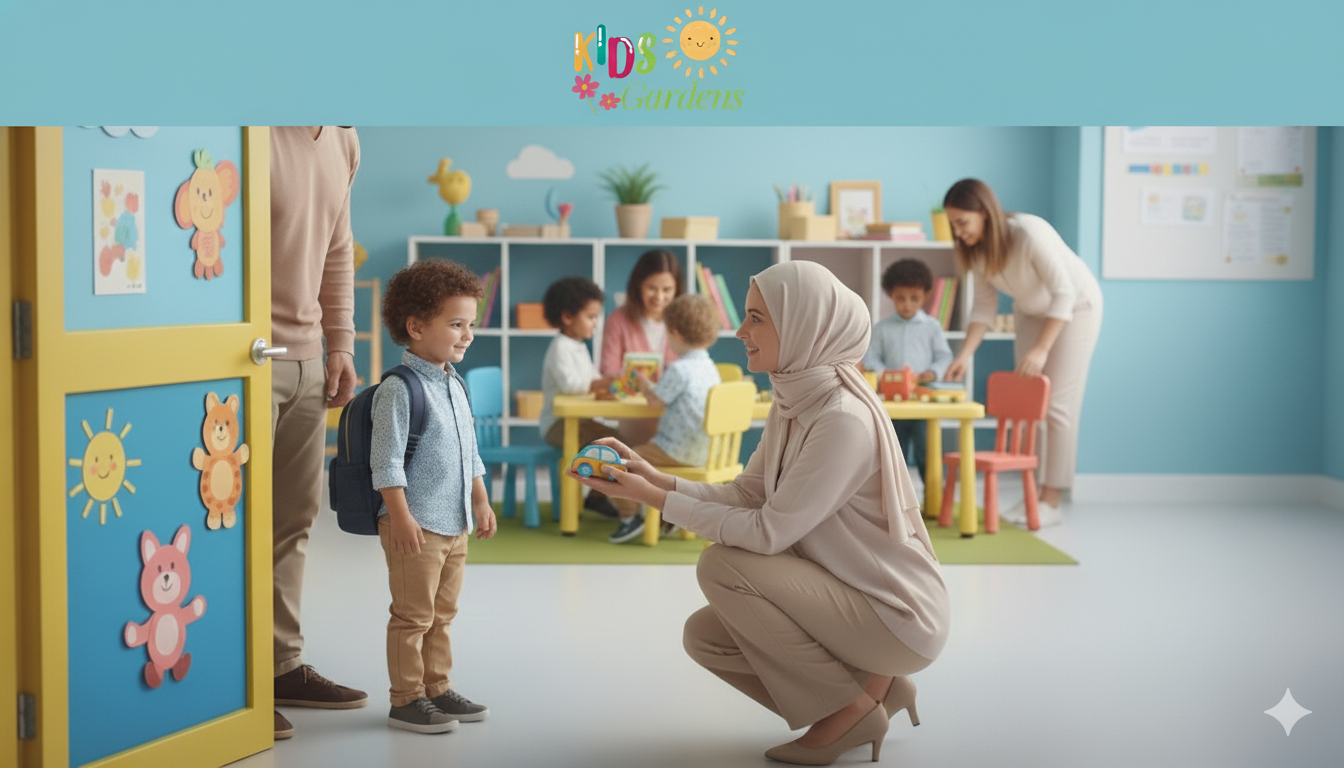
How to Prepare Your Child for Their First Day at Preschool
Starting preschool is a major milestone for both children and their parents. The first day at preschool can bring a mix of excitement and anxiety, making preparation essential for a smooth transition. Building a foundation through early childhood education also plays a key role in helping children adapt more confidently. Ensuring your child feels confident, comfortable, and ready can help set a positive tone for their entire preschool experience.
This article provides practical, thoughtful strategies to prepare your little one for their first day at preschool and help you as a parent manage this important change. From emotional readiness to practical tips, you’ll find everything you need to support your child in making this exciting leap.
Whether it’s your first time sending your child or you’re looking for new ways to ease the process, preparing well for the first day at preschool is key to success.
Why Preparing for the First Day at Preschool Is Important
The first day at preschool is more than just a date on the calendar—it marks a child’s first real step into a social and structured learning environment outside the family. For many children, it is their first time away from home for an extended period, encountering new faces, routines, and rules.
Proper preparation can:
- Reduce anxiety and fears
- Build excitement and positive anticipation+
- Establish early comfort with the new environment
- Encourage independence and confidence
Children who feel prepared often adapt quicker and have a more positive experience overall. For parents, knowing how to help your child get ready eases your own concerns and builds a supportive atmosphere.
Understanding Your Child’s Feelings About the First Day at Preschool
Recognizing Common Emotions
Children can experience a wide range of emotions before their first day at preschool. Some may feel excited and curious, while others might feel nervous or scared. It’s completely normal for a child to express clinginess, mood swings, or changes in appetite or sleep during this time.
Listening and validating your child’s feelings is essential. Let them know it’s okay to feel whatever they feel and that you will be there to support them every step of the way.
Communicating Openly
Open conversations about what to expect on the first day at preschool can help reduce fears. Use simple language to explain what will happen during the day—who their teacher will be, what activities they will do, when you will come back to pick them up.
Reading books or watching videos about preschool can also prepare your child by familiarizing them with the concept and making the idea less scary.
Practical Tips to Prepare Your Child for Their First Day at Preschool
Establish a Routine Before the Big Day
One of the best ways to get your child ready for the first day at preschool is by creating and practicing a consistent routine. Regular bedtimes, wake-up times, and meal schedules help your child feel secure and adapt more easily.
Practice morning routines such as dressing, brushing teeth, and having breakfast. This consistency prepares your child for the structured day ahead.
Visit the Preschool Together
Familiarity breeds comfort. Visiting the preschool before the first day at preschool helps your child become accustomed to the environment. Walk around the classrooms, playground, and common areas if possible.
Meeting the teachers and staff during these visits allows your child to build trust and feel more confident when the actual day arrives.
Prepare Preschool Essentials Together
Engage your child in choosing and packing their preschool bag. Let them pick out favorite snacks, water bottles, or a special comfort item like a small toy or blanket.
Label their belongings with their name to avoid mix-ups. This involvement gives your child a sense of ownership and excitement for their first day at preschool.
Building Independence to Ease the Transition
Encourage Self-Help Skills
Before the first day at preschool, encourage your child to practice basic self-help skills like using the bathroom independently, washing hands, putting on shoes, and opening lunch boxes. These skills build confidence and reduce dependence on caregivers during the preschool day.
Foster Social Skills
Preschool is a social environment, so helping your child practice sharing, taking turns, and communicating feelings can smooth their entry. Arrange playdates or attend group activities to give your child a chance to interact with peers in a low-pressure setting.
Teach Emotional Regulation
Children may feel overwhelmed at preschool. Teaching simple strategies like taking deep breaths, asking for help, or using words to express feelings empowers your child to handle new situations with resilience.
Preparing Yourself for Your Child’s First Day at Preschool
Managing Your Own Emotions
Parents often experience mixed feelings about their child’s first day at preschool. It’s normal to feel proud, excited, anxious, or even sad. Recognizing and managing these emotions helps you remain calm and positive in front of your child.
Remember, your confidence and reassurance are contagious. When your child sees you trusting the process, they feel safer and more confident too.
Planning the Day
On the actual first day at preschool, allow extra time in the morning to avoid rushing. Arrive early to help your child settle in and meet the teacher. Be ready with a positive and cheerful goodbye, even if your child gets upset initially.
Avoid lingering during drop-off, as this can increase separation anxiety. Trust that the teachers are skilled in helping children adjust.
What to Expect on the First Day at Preschool
Settling In Activities
Preschool teachers are trained to create a welcoming environment for new children. The first day at preschool often includes gentle introductions, name games, storytime, and free play. These activities help children acclimate to the new setting gradually.
Routine and Flexibility
While preschools have a structured schedule, teachers understand that young children may need time to adjust. Breaks, snacks, and nap times provide natural pauses for children to relax and recharge.
Supporting Your Child After Their First Day at Preschool
Listen and Talk About Their Experience
After your child’s first day at preschool, encourage them to share their feelings and stories. Ask open-ended questions like, “What did you like the most today?” or “Who did you play with?” This shows you care and helps your child process the day.
Celebrate Small Wins
Praise your child for their bravery and accomplishments, no matter how small. This positive reinforcement builds confidence and excitement for the coming days.
Stay Connected with Teachers
Maintain open communication with your child’s teachers to monitor progress and address any concerns. Collaborative support helps your child thrive throughout their preschool journey.
Choosing the Right Preschool for Your Child
Finding the ideal preschool that matches your child’s needs and your family’s values is crucial for a positive first day at preschool and beyond. If you’re still looking for the best preschool in Riyadh, check out our guide on how to choose the perfect one for your child.
Consider factors like the school’s philosophy, teacher qualifications, class sizes, facilities, and curriculum. A nurturing, safe, and engaging environment promotes smoother transitions and better learning outcomes.
If you’re seeking trusted preschools with excellent reputations and resources, explore the curated options available through Kids Gardens Riyadh. Our carefully selected educational partners ensure your child’s first steps in education are supported by quality and care.
Final Thoughts: Making the First Day at Preschool a Positive Experience
The first day at preschool is a foundational experience that can shape your child’s attitude toward school and learning for years to come. Thoughtful preparation, emotional support, and practical strategies make this transition smoother and more enjoyable.
Remember, every child is unique. Patience, encouragement, and understanding are key to helping your child embrace this new adventure with confidence.
By taking these steps and trusting in the process, you are giving your child the best possible start. Here’s to a joyful and successful first day at preschool and many wonderful learning experiences ahead.